Ireland Votes to End Three-Day Abortion Wait: A Coalition Divided, A Country Edging Forward
There is no guarantee of a smooth passage. Resistance within the coalition has not disappeared.
The Editor, Continental View | Ground View News
28 June 2026
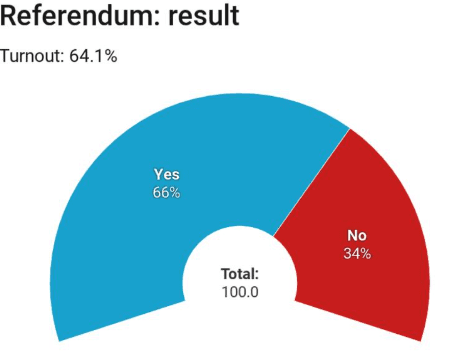
Ireland's Dáil voted on 17 June 2026 to remove the mandatory three-day waiting period for abortion services, passing a Sinn Féin-sponsored bill by 86 votes to 70. The result did not just reshape reproductive healthcare policy; it exposed deep fractures within the government coalition and reignited one of the most contested debates in modern Irish political life.
What the Vote Decided
Since the legalisation of abortion in 2018, following the historic referendum to repeal the Eighth Amendment, Irish law required a three-day waiting period between an initial GP consultation and any termination. Proponents of the waiting period argued it gave women time to reflect. Critics, including the Abortion Rights Campaign, the National Women's Council, and a growing number of medical professionals, argued it was a politically motivated barrier with no clinical basis.
The Sinn Féin bill, sponsored by health spokesperson David Cullinane, passed its second stage in the Dáil and now proceeds to Oireachtas Committee Stage, where further amendments will be examined. If it clears the committee, the full Dáil, and then the Seanad, it goes to President Catherine Connolly for signature. Minister for Health Jennifer Carroll MacNeill indicated she would consult with Attorney General Rossa Fanning on legislative implications, with the bill potentially becoming law by the end of 2026.
The Conscience Vote That Split the Coalition
What made this vote unusual was the free vote granted to government TDs, a concession to the fact that this was deemed a matter of conscience. The outcome revealed uncomfortable divisions.
Taoiseach Micheál Martin and Tánaiste Simon Harris both voted in favour. But a majority of Fianna Fáil and Fine Gael TDs voted against, including several cabinet ministers: Justice Minister Jim O'Callaghan, Housing Minister James Browne, Children's Minister Norma Foley, Social Protection Minister Dara Calleary, and Government Chief Whip Mary Butler.
The gender split in the chamber was striking. Of the 35 female TDs who voted, 83 per cent backed the bill. Among the 121 male TDs, only 47 per cent voted in favour. The result underlined that this is not simply a political question; it carries different weight depending on lived experience.
The Broader Debate
The vote follows a decade of significant change in Irish social policy. The same country that banned divorce until 1995 and criminalised homosexuality until 1993 legalised same-sex marriage in 2015 and abortion in 2018. The arc of change has been real, but uneven.
Campaigners note that despite legalisation, approximately 240 people per year still travel abroad, mostly to Britain, to access abortions that Irish law does not permit, including in cases of fatal foetal abnormality beyond the existing timeframes. The Abortion Rights Campaign welcomed the three-day wait vote, but it was clear: further reform remains essential.
The Pro Life Campaign and opposition voices from within both coalition parties argued that the three-day wait was a commitment made to voters during the 2018 referendum campaign, and that removing it without a further public mandate risks undermining the consensus that made repeal possible.
Ireland's International Protection Act 2026, also introduced this month, has added to a sense of a country managing rapid legislative change from immigration and asylum rules to reproductive rights simultaneously and under pressure.
What Comes Next
The bill must clear several more legislative stages before it becomes law. The Committee Stage will allow scrutiny and potential amendment. A final vote in both chambers and a presidential signature must follow.
There is no guarantee of a smooth passage. Resistance within the coalition has not disappeared. But the 86–70 margin in the Dáil signals that a Dáil majority exists and that on reproductive rights, the Irish legislature has moved ahead of some of its own ministers.
Bigger Picture
Ireland's trajectory on social policy over the past three decades has been among the most dramatic in Western Europe. The vote on the three-day wait is not simply a healthcare story; it is part of a longer reckoning with the role of the state, the church, and individual conscience in a rapidly changing society.
References
- RTÉ News, Dáil Approves Abortion Bill, Most Govt TDs Vote Against, 17 June 2026
- The Journal, Bill to End Three-Day Abortion Wait Moves Forward as Decisive Dáil Vote Splits Government Parties, June 2026
- GCN, Dáil Votes to End Three-Day Abortion Waiting Period, 18 June 2026
- The Journal, Here's How Every TD Voted on Removing the Three-Day Wait for an Abortion, June 2026
- Irish Refugee Council, New Asylum Laws: International Protection Act 2026, June 2026
- The Irish Times, Friday June 26, 2026 Today's News Summary, June 2026
By The Editor, Continental View | Ground View News
Shared 0 times
Editorial note: This article represents the opinion and analysis of the author and does not constitute verified fact. Ground View News strives for accuracy and publishes corrections when errors are identified. View our editorial policy · Editorial disclaimer