Mafikizolo Dropped from Victoria Falls Concert as Xenophobia Fallout Reaches the Stage
What changed is visible rather than announced: promotional material for the concert, held to coincide with the Econet Victoria Falls Marathon, no longer carries Mafikizolo's name or image.
Chrispen Nkosi, The Editor, Continental View | Ground View News
1 July 2026
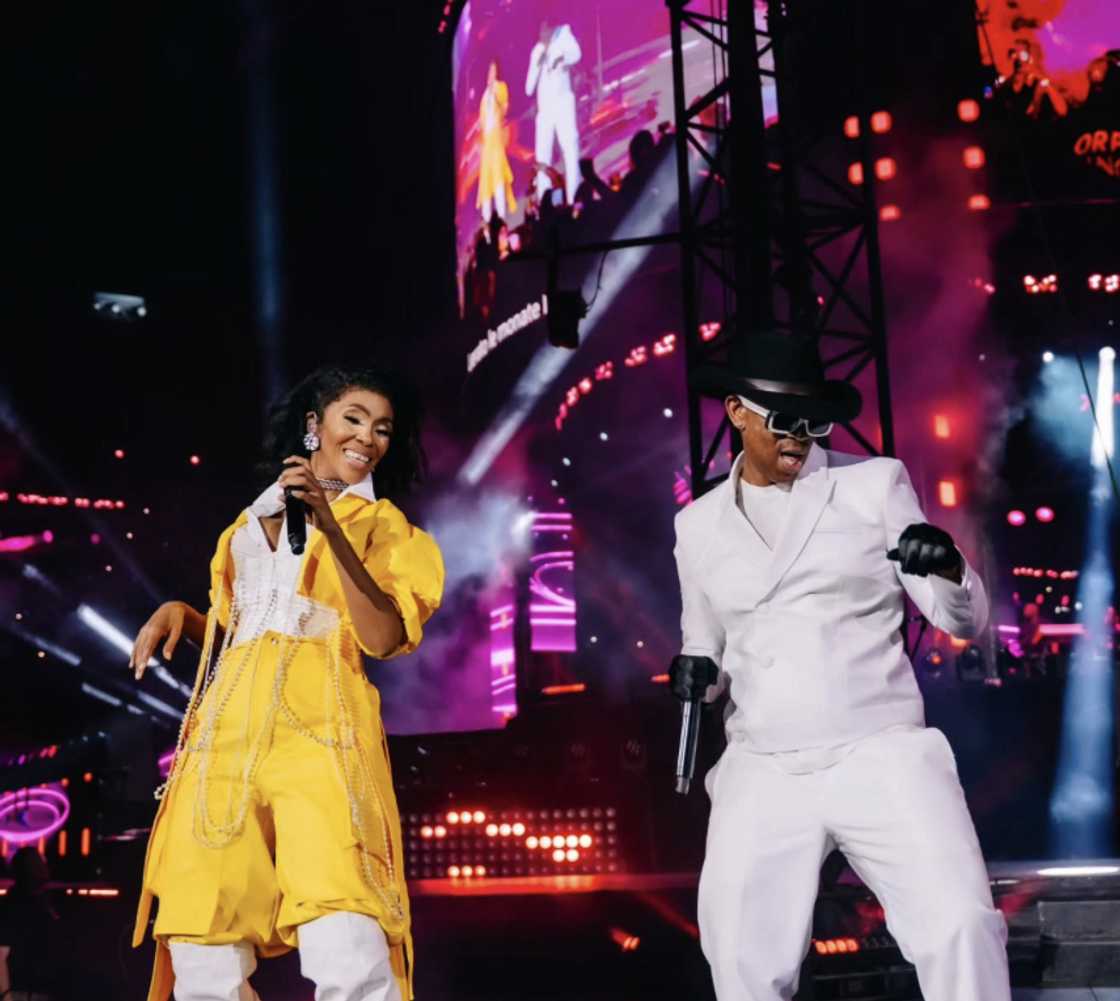
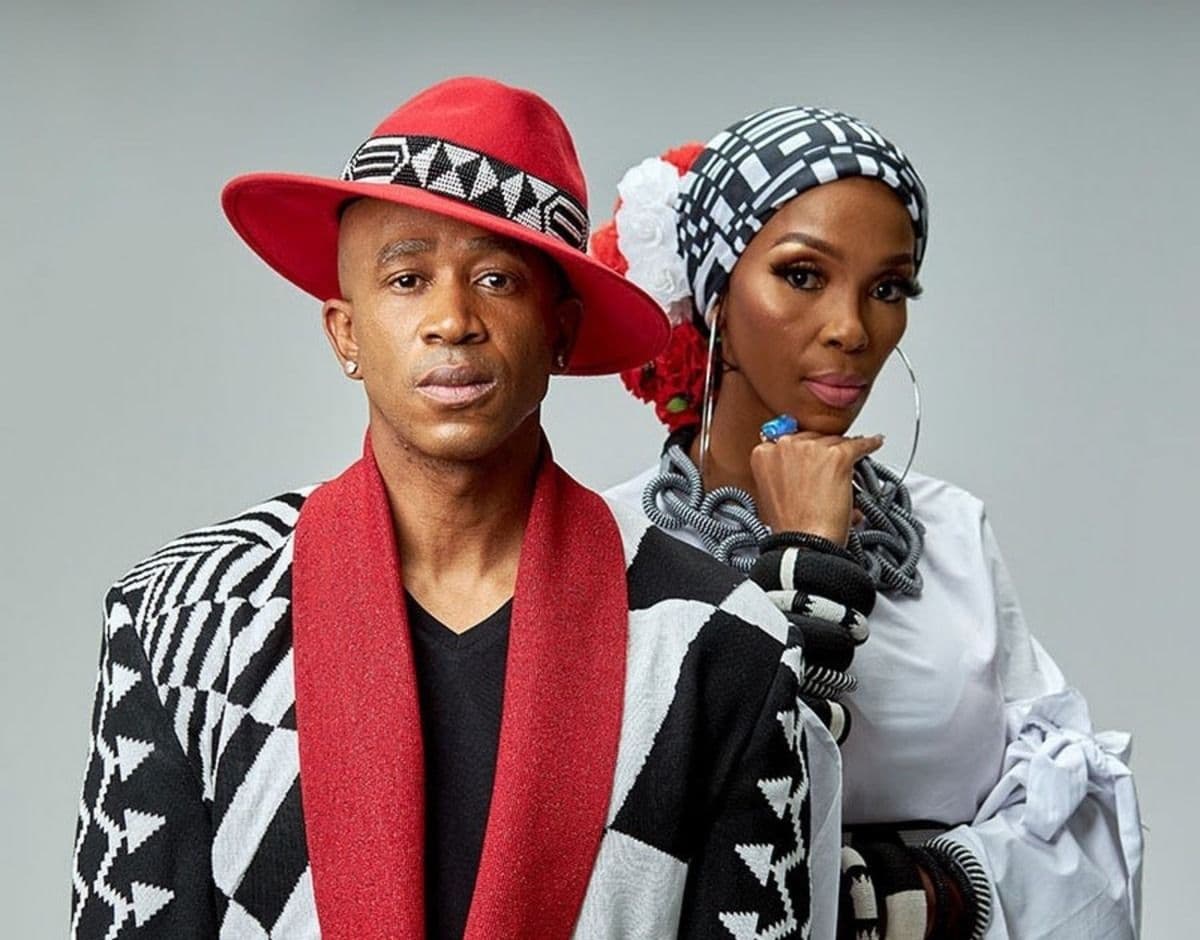
South African Afro-pop duo Mafikizolo has been removed from the lineup of the Buddie Beatz Concert in Victoria Falls, Zimbabwe, after weeks of public pressure tied to the treatment of Zimbabwean migrants in South Africa. The group, made up of Theo Kgosinkwe and Nhlanhla Nciza, had been billed to headline the July 5 show alongside Zimbabwean acts Winky D, Killer T and Flying Bantu.
Neither Econet Wireless Zimbabwe, whose Buddie Beatz brand runs the event, nor the duo themselves have issued a public statement confirming the decision or explaining it. What changed is visible rather than announced: promotional material for the concert, held to coincide with the Econet Victoria Falls Marathon, no longer carries Mafikizolo's name or image.
How the Removal Unfolded
The controversy began soon after Econet Zimbabwe first promoted Mafikizolo's booking. Social media pages tied to the event were flooded with comments demanding the group be dropped, with critics arguing it was inappropriate to headline South African performers while Zimbabweans in South Africa faced displacement and, in some cases, violence. Comedienne and musician Felistus "Mai TT" Murata was among the most prominent voices calling for the show to be scrapped, arguing publicly that celebrating South African talent while Zimbabwean citizens were fleeing xenophobic threats sent the wrong message.
By the following week, updated concert posters had circulated without Mafikizolo listed. Multiple Zimbabwean outlets, citing unnamed sources, linked the decision to security and safety considerations rather than a straightforward capitulation to the online campaign, though organisers have not distinguished publicly between the two. The Buddie Beatz Concert remains scheduled to go ahead at Baobab Primary School in Victoria Falls on July 5, now with a lineup drawn almost entirely from local artists.
The Backdrop: A Region on Edge
The pressure campaign against Mafikizolo did not emerge in isolation. It sits inside a much larger and more volatile story: a surge in anti-immigrant sentiment in South Africa that has, over recent weeks, pushed thousands of migrants, including Zimbabweans, Malawians, Mozambicans, Nigerians and Ghanaians toward the border.
The anti-immigration movement March and March set an unofficial deadline of June 30 for undocumented foreign nationals to leave South Africa, a date rights groups warned could become a flashpoint. South Africa's government has publicly rejected any legal standing for the deadline and pledged that police would not tolerate violence once it passed, with military units placed on standby. That has not stopped real harm. Foreign-owned businesses have been attacked and looted in multiple provinces, migrants have been driven from their homes, and several people have been killed, including Mozambican nationals in Mossel Bay and a Malawian man in Pietermaritzburg.

Zimbabwe's government said more than 3,600 of its nationals had been formally repatriated by June 26, while regional immigration officials put the number of Zimbabweans who had voluntarily returned home since late May at over 24,000. South Africa's Border Management Authority separately reported that more than 13,000 foreign nationals across several countries, including roughly 3,000 Zimbabweans, had been repatriated or deported in the preceding fortnight. Consular offices in Johannesburg and Cape Town have seen families camping outside with their belongings, waiting for transport home.
President Cyril Ramaphosa has acknowledged what he called the "challenge of illegal immigration" and its strain on public services and the labour market, while also warning against scapegoating migrants for South Africa's broader economic troubles, including an unemployment rate of 32 per cent in the first quarter of 2026.
Two Arguments, One Stage
The debate over Mafikizolo's removal has split opinion sharply, and not along the lines some might expect. Supporters of the axing frame it as an act of solidarity: a refusal to let entertainment proceed as normal while Zimbabwean citizens are being harassed, attacked or forced out of a neighbouring country. For them, the concert stage became an unavoidable symbol of a relationship that currently feels one-sided.
Critics of the boycott call it hypocritical, pointing out that removing South African performers from a Zimbabwean event mirrors the exact logic, exclusion based on nationality, that Zimbabweans are protesting against in South Africa. Others argue that music and artists should not be made to answer for the actions of governments, vigilante groups or online mobs, and that Mafikizolo themselves had no hand in the policies or attacks driving the anger.
Both positions have circulated widely on Zimbabwean and South African social media, with the story becoming as much about the boundaries of cultural boycott as about the concert itself.
The Bigger Picture
What happened to a concert lineup in Victoria Falls is a small, visible symptom of a much larger regional fracture. Southern Africa's economies and labour markets have long been stitched together by migration, remittances and shared cultural industries, Afro-pop chief among them. Mafikizolo's music has filled dance floors on both sides of the Limpopo for two decades. That the group became a lightning rod, not for anything they said or did, but for the politics of a border crisis they did not create, says something uncomfortable about how quickly goodwill curdles when a crisis has no clear resolution and no accountable authority willing to own it.
The unofficial June 30 deadline has already passed without the South African government conceding any legal ground to the groups that set it. But an arbitrary date does not defuse an economic and social pressure that has been building for years. Until governments in the region address the underlying drivers- job scarcity, weak labour protections for migrants, and a political vacuum that lets vigilante movements set the terms of public debate- symbolic flashpoints like a concert booking will keep surfacing. They are easier to act on than the crisis itself, which is precisely why they get acted on first.
Related Reading:
- South Africa's Xenophobia Crisis: What the June 30 Deadline Means for the Region
- Zimbabwe's Repatriation Effort: Inside the Beitbridge Bottleneck
- Remittances Under Threat: The Economic Cost of Southern Africa's Migration Crisis
Sources:
- iHarare News, "Mafikizolo Dropped from Buddie Beatz Concert Amid Security and Xenophobia Fears"
- iHarare News, "Calls Grow to Cancel Mafikizolo's Zimbabwe Concert Amid Xenophobia Tensions"
- Newsday Zimbabwe, "Mafikozolo no longer performing at Vic Falls Buddie Beatz Concert"
- Bona Magazine, "Mafikizolo axed from Zimbabwe concert amid xenophobia tensions in South Africa"
- Youth Village, "Zimbabweans Demand Organisers Cancel Mafikizolo Performance Amid Anger Over Xenophobic Attacks In South Africa"
- DailyNews Zimbabwe, "Toxicity KOs Mafikizolo Econet gig"
- NewZimbabwe.com / allAfrica.com, "Zimbabwe Repatriates 3,624 From South Africa As June 30 Xenophobia Fears Escalate"
- CNN, "'Leave or return in a coffin': The threat driving migrants out of South Africa"
- NPR, "Fear grows as xenophobia spreads in South Africa"
- The Week, "Anti-immigration sentiment in South Africa reaches a fever pitch"
tags: [Zimbabwe, South Africa, xenophobia, Mafikizolo, Victoria Falls, Buddie Beatz, Econet, migration]
By Chrispen Nkosi, The Editor, Continental View | Ground View News
Shared 0 times
Editorial note: This article represents the opinion and analysis of the author and does not constitute verified fact. Ground View News strives for accuracy and publishes corrections when errors are identified. View our editorial policy · Editorial disclaimer