Botswana's New Chapter: Infrastructure Reform and a Region Watching for What Comes Next
Chrispen Nkosi, The Editor, Continental View | Ground View News
28 June 2026
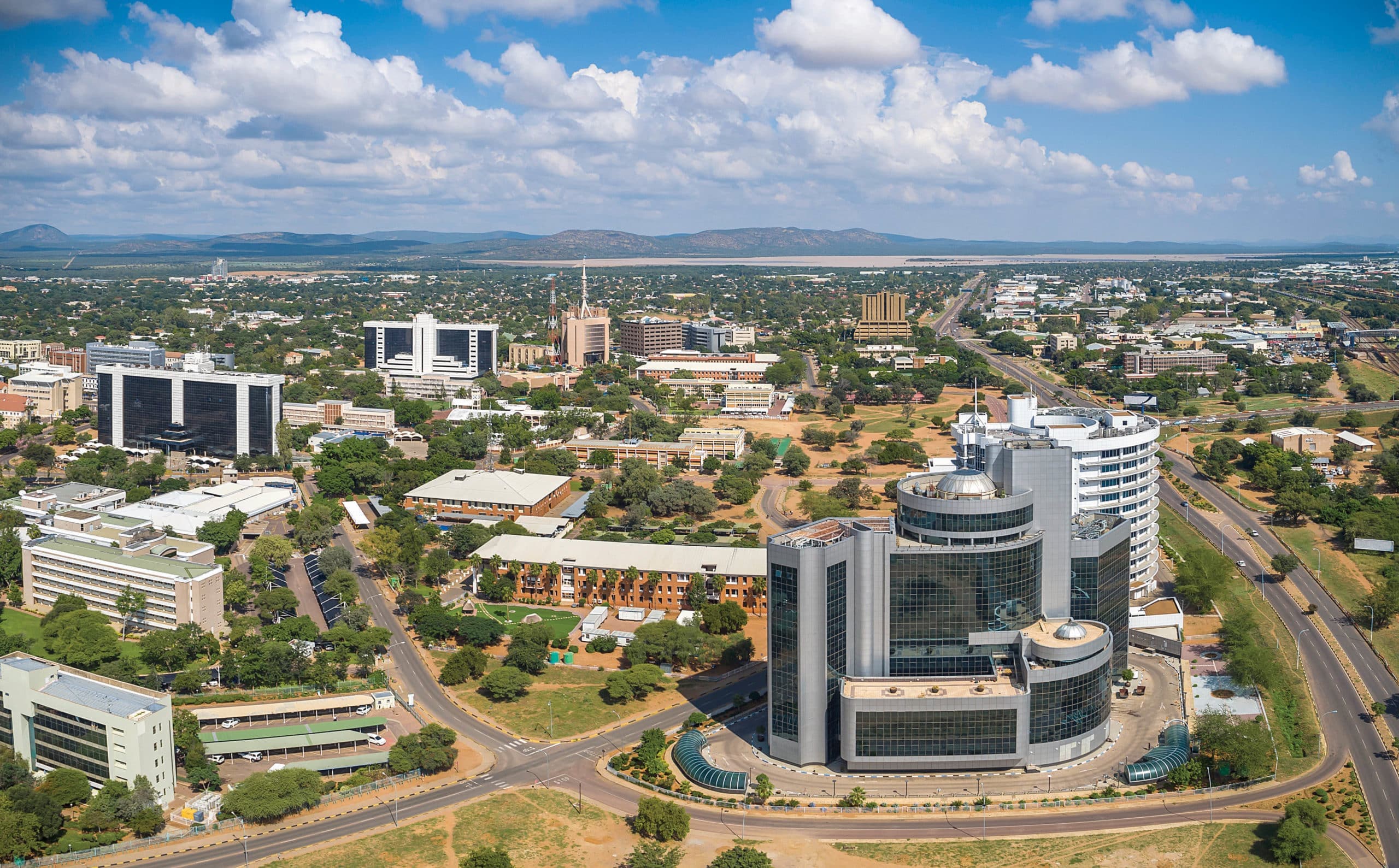
Botswana enters the second half of 2026 as one of Southern Africa's more stable democracies, navigating a period of economic recalibration following the political transition that saw the Democratic Party of Botswana (DPP) take power in late 2024. The country's new administration has moved to place public infrastructure, particularly education, at the centre of its domestic agenda, while internationally, Botswana continues to be shaped by its position at the intersection of Southern Africa's most active mining corridors.
The Education Infrastructure Push
The most prominent domestic story is a government-announced programme for a "New Era for Public Schools Infrastructure", a signal that the administration is targeting visible, tangible improvements in public services to consolidate political support following its transition to power. Botswana's education system has historically been one of the stronger performers on the continent in terms of access, but quality and infrastructure in rural and peri-urban areas have lagged.
The details of the programme are still being developed, but the political signal is clear: the new government intends to demonstrate that democratic transition brings material improvement in the lives of ordinary citizens. That is particularly important in a country where the Botswana Democratic Party governed without interruption from independence in 1966 until 2024.
Copper and the Mining Corridor
Economically, Botswana's most watched story is its copper sector. UK-listed mining company Galileo Resources announced in June 2026 that it is selling its Botswana copper prospecting licences to Metal Capital for an upfront payment of $3 million, with a contingent success payment of between $20 million and $80 million depending on the scale of copper reserves ultimately declared. Galileo intends to redirect the proceeds into its principal projects in Zambia and Zimbabwe.
That transaction is a window into a larger dynamic. The Southern African copper belt, stretching from the Democratic Republic of Congo through Zambia into Zimbabwe and touching Botswana, is becoming increasingly strategic as the global energy transition drives demand for copper in electric vehicles, grid infrastructure, and renewable energy systems. Botswana sits at the edge of that belt, and its copper potential, while less developed than its neighbours', is attracting commercial attention.
The country's dominant export and revenue source remains diamonds, through the Okavango Diamond Company and its longstanding relationship with De Beers. But the consolidation of copper investment activity across the region means Botswana's diversification story is increasingly shaped by what is happening in the mines to its north and east.
Regional Positioning
Botswana has historically been one of Africa's success stories, a country that turned diamond revenues into public investment rather than corruption, maintained democratic elections, and built institutions that outlasted individual leaders. That legacy is not in question. But it is also not self-sustaining.
Unemployment among young Botswanans remains a concern. The government's infrastructure push on education is, in part, a response to that concern, building the human capital pipeline for an economy that will need skilled workers, whether the growth comes from diamonds, copper, tourism, or emerging sectors like financial services.
Botswana hosted an air race in June 2026 as part of a charitable initiative, a small but visible signal of the country's effort to cultivate regional profile, tourism investment, and international engagement at a time when many of its neighbours are consumed by more acute crises.
Bigger Picture
Botswana's story in 2026 is quieter than South Africa's, less dramatic than Zimbabwe's, and less contested than Zambia's. That relative stability is itself significant. In a region navigating xenophobic violence, constitutional manipulation, and economic fragility, a functioning democracy managing a genuine political transition deserves attention both as a model and as a reminder that stability is not inevitable, but chosen.
References
- AllAfrica, Botswana: New Era for Public Schools Infrastructure, 26 June 2026
- AllAfrica, Botswana: Botswana Host Air Race for Good Cause, 26 June 2026
- Mining Weekly, Galileo to Sell Botswana Copper Licences, Shifts Focus to Zambia, Zimbabwe Projects, 17 June 2026
- Travel and Tour World, Rwanda Joins Namibia, Kenya, South Africa, Tanzania, Botswana, Zimbabwe and Zambia to Lead 2026 Safari 2.0 Boom, May 2026
- African Energy, Issue 539 Botswana, Zambia, Zimbabwe, South Africa: Power, March 2026
By Chrispen Nkosi, The Editor, Continental View | Ground View News
Shared 0 times
Editorial note: This article represents the opinion and analysis of the author and does not constitute verified fact. Ground View News strives for accuracy and publishes corrections when errors are identified. View our editorial policy · Editorial disclaimer
Related Articles
Zimbabwe Sits on the World's Most Wanted Mineral.
The US Just Put $300 Million on the Table.

Jeremy Clarkson, Gucci and the Home Race: Alpine's British Grand Prix Story Runs Deeper Than the Grid
Formula 1 has become a platform valuable enough to attract fashion houses, and personal enough that a television presenter's loyalty to his local team still makes headlines.