Indonesia and Africa: Bandung’s Promise Is Still Waiting to Be Fulfilled
Why Indonesia and Africa Must Build Capability, Not Just Trade
NURMUHAEMIN
26 November 2026
More than seven decades ago, leaders from Asia and Africa gathered in Bandung, Indonesia, with a shared conviction: political independence should not be the end of their struggle. The 1955 Asian-African Conference called for cooperation, equality among nations, and a world in which countries emerging from colonial rule could shape their own futures.
That promise remains unfinished. Many countries across the two continents have gained sovereignty, expanded their economies, and strengthened their place in global affairs. Yet economic dependence, unequal access to technology, and the limited value captured from natural resources continue to constrain development. The challenge is no longer simply to control national territory; it is to build the capacity to create value within it.
Why It Matters
Indonesia’s experience illustrates both the opportunity and the difficulty. Its effort to develop downstream industries, particularly in minerals such as nickel, reflects an ambition to move beyond exporting raw materials. But processing minerals at home is only one step. Lasting transformation requires domestic technology, skilled workers, research institutions, competitive local firms, and stronger links between industry and education. Without these foundations, a country may process more of its resources while remaining dependent on foreign expertise and capital.
Africa should not be treated as a single economy or a uniform development story. Its countries differ widely in institutions, industrial capacity, resources, and economic priorities. Still, many face a familiar question: how can resource wealth translate into broad-based prosperity rather than remain concentrated in extraction and export? The answer lies not only in negotiating better deals, but also in building the human and institutional capabilities that allow societies to participate in higher-value activities.
This is where Indonesia-Africa cooperation can become more meaningful. Trade and investment matter, but the relationship should also support vocational education, agricultural innovation, renewable energy, scientific research, technology development, and partnerships among universities and small businesses. Joint programmes that connect young professionals, researchers, and entrepreneurs could help both sides learn from their different experiences instead of simply exchanging commodities.
The Indonesia-Africa Forum and other diplomatic initiatives provide platforms for cooperation. Their success, however, should not be measured only by the number of agreements signed or the value of announced transactions. The more important test is whether those commitments lead to productive jobs, stronger local enterprises, practical knowledge, and opportunities for ordinary people.
The Bigger Picture
Bandung’s enduring lesson is that solidarity must be translated into capability. The most valuable resource shared by Indonesia and African countries is not nickel, lithium, phosphate, or any other mineral. It is the ability of their people to learn, innovate, and shape the terms of their economic future.
Indonesia and Africa can renew the promise of Bandung by making cooperation serve that goal. Political independence opened the door; economic independence requires investment in people, knowledge, and productive capacity. The promise of Bandung is still waiting, not for another declaration, but for work that changes lives.
Sources
- Asian-African Conference. (1955). Final communiqué of the Asian-African Conference, Bandung, 24 April 1955. https://www.aaalac.org/
- Museum Konferensi Asia Afrika. (n.d.). Sejarah Konferensi Asia Afrika. https://mkaa.kemlu.go.id/
- Ministry of Investment and Downstream Industry/BKPM. (2024). Indonesia-Africa Forum: Indonesia and African partners strengthen cooperation. https://www.bkpm.go.id/
- International Monetary Fund. (2023). Indonesia: 2023 Article IV consultation: Staff report. https://www.imf.org/en/Countries/IDN
- Republic of Indonesia, Cabinet Secretariat. (2024). Indonesia-Africa Forum and Indonesia’s partnership with African countries. https://setkab.go.id/
By NURMUHAEMIN
Shared 0 times
Editorial note: This article represents the opinion and analysis of the author and does not constitute verified fact. Ground View News strives for accuracy and publishes corrections when errors are identified. View our editorial policy · Editorial disclaimer
Related Articles
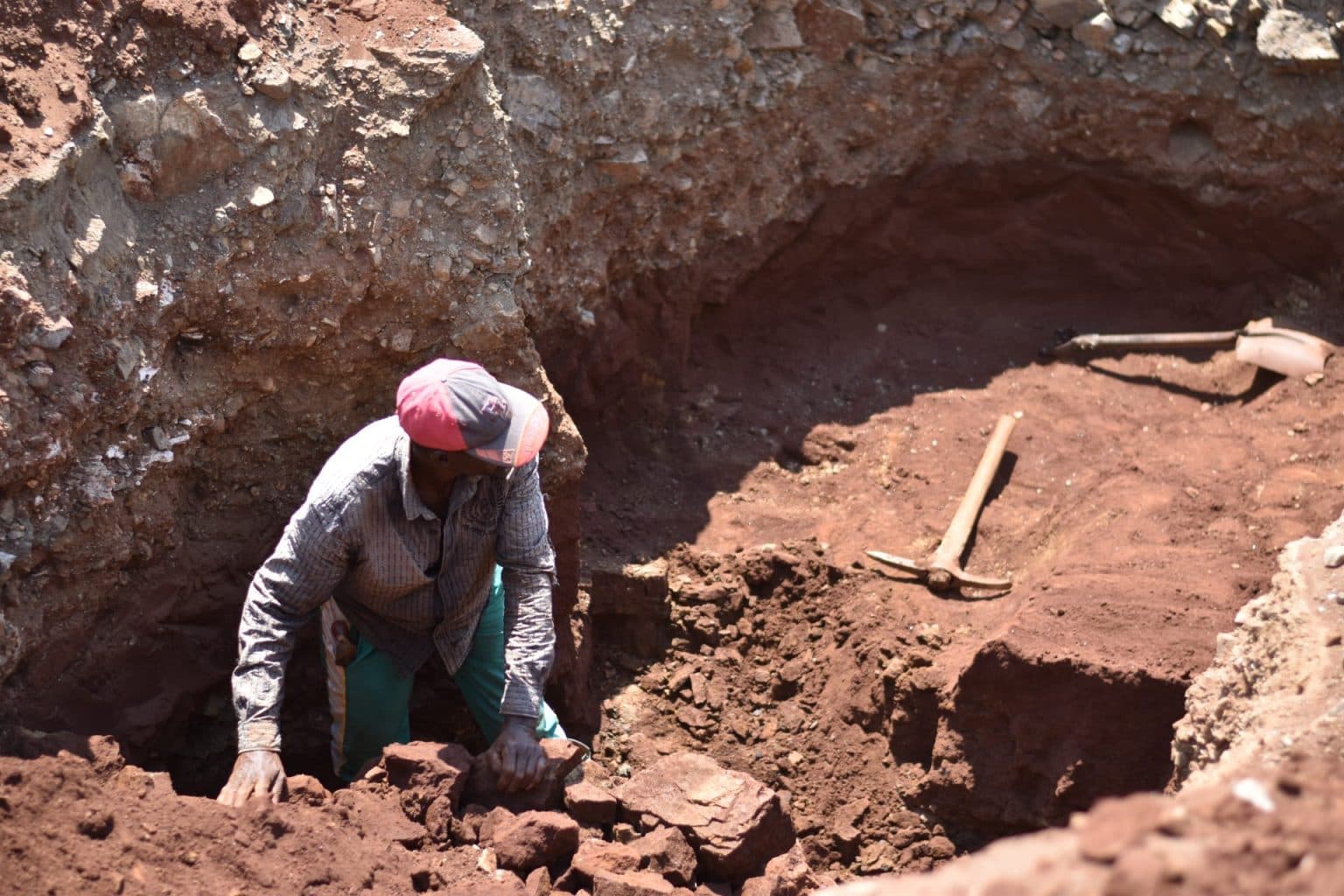
Zimbabwe Sits on the World's Most Wanted Mineral.
The US Just Put $300 Million on the Table.

Jeremy Clarkson, Gucci and the Home Race: Alpine's British Grand Prix Story Runs Deeper Than the Grid
Formula 1 has become a platform valuable enough to attract fashion houses, and personal enough that a television presenter's loyalty to his local team still makes headlines.