A War Paused, A Deal Contested: Inside the Fragile US-Iran Memorandum
The damage to Iran has been significant. Several nuclear facilities were reduced to rubble.
Chrispen Nkosi, The Editor, Continental View | Ground View News
28 June 2026
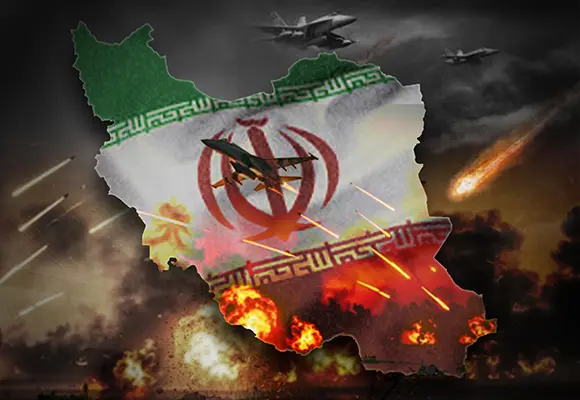
On 18 June 2026, Iranian President Masoud Pezeshkian signed a memorandum of understanding in Tehran aimed at ending the war between Iran and the United States, a conflict that began on 28 February with US and Israeli strikes on Iranian nuclear and military sites. The document, mediated primarily by Pakistan, set out a 60-day ceasefire, provisions to reopen the Strait of Hormuz, and a framework for further negotiations on Iran's nuclear programme. Four months after bombs fell on Tehran, diplomacy has produced a piece of paper. Whether it produces peace is another matter entirely.
How the War Began and Where Things Stand
The conflict erupted after Israel launched large-scale strikes on Iran's military leadership and nuclear scientists in mid-June 2025, following the IAEA's declaration that Iran was in breach of its non-proliferation obligations. The United States joined the campaign, targeting three Iranian nuclear facilities. Iran withdrew from talks indefinitely and then, following large-scale domestic protests, returned to the negotiating table in early 2026.
The damage to Iran has been significant. Several nuclear facilities were reduced to rubble. According to Time magazine's analysis, Iran still retains roughly 400 kilograms of 60 per cent-enriched uranium, but its enrichment infrastructure has been severely degraded. The human cost, including, according to Iranian state accounts, civilian casualties from strikes on residential areas, has driven deep public anger alongside pressure on the government to settle.
A government poll conducted in Iran as of 20 June 2026 found that nearly 60 per cent of Iranians reported they were unable to continue financially, while 70 per cent demanded government changes. That domestic pressure was as much a driver of the deal as any external negotiation.
What the MOU Says and What It Disputes
The 14-point memorandum calls for a cessation of hostilities, the reopening of the Strait of Hormuz toll-free for at least 60 days, and the formation of technical working groups to address nuclear matters, sanctions relief, and reconstruction. Under the agreement, all Iranian nuclear-related matters are to be resolved within the framework of a final deal.
Almost immediately, the two sides began publicly disagreeing over what they had signed.
US Vice President JD Vance stated on Monday that Iran had agreed to allow UN nuclear inspectors back into the country. Tehran denied it. Iran's Foreign Ministry spokesperson said there were no new plans for IAEA visits. By Thursday, 26 June, IAEA Director General Rafael Grossi said the agency would return to inspect Iran's nuclear sites, stating: "This MOU specifically indicates that the nuclear part of the memorandum will be supervised by the IAEA. To supervise, we need to inspect."
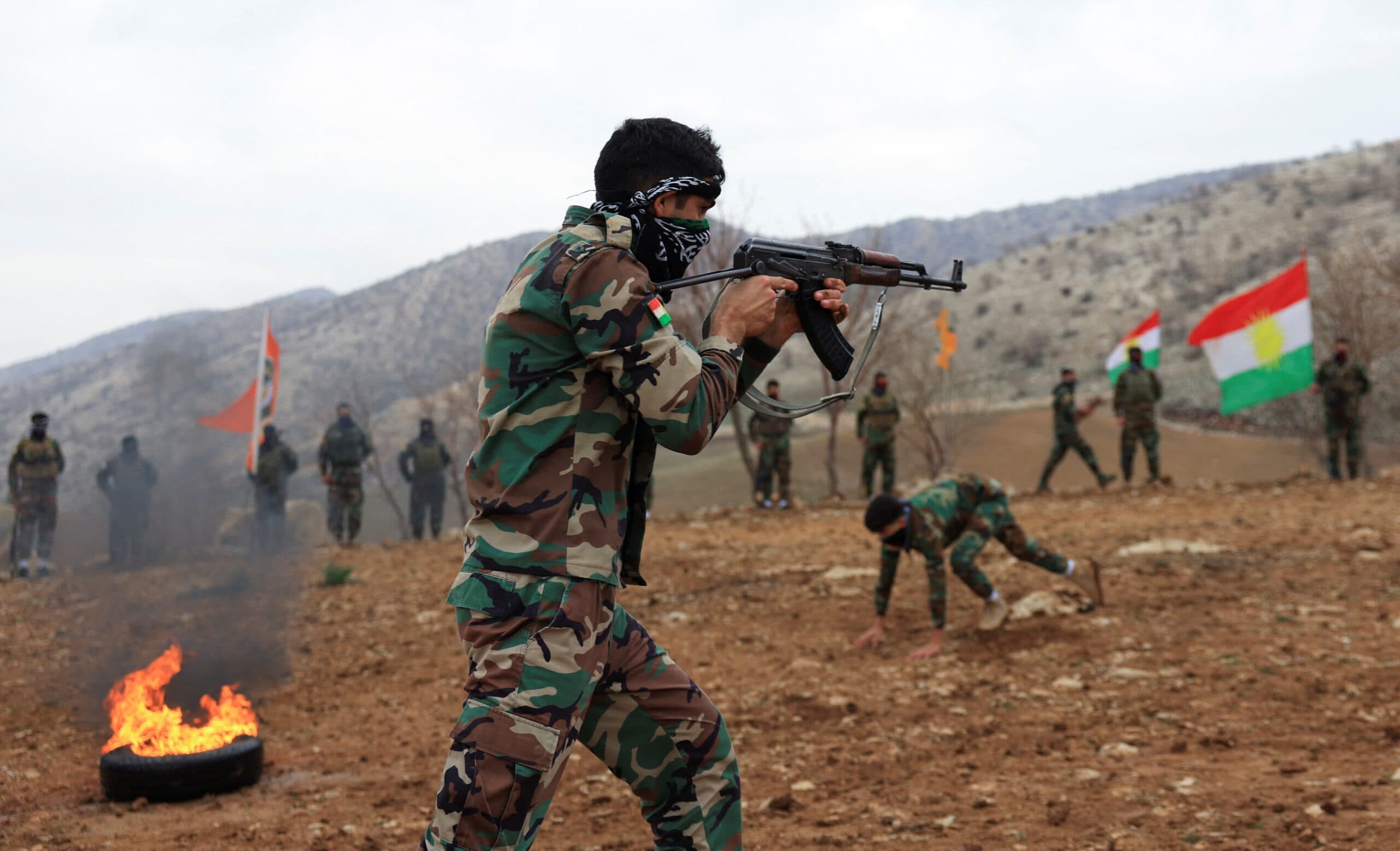
The Strait of Hormuz, effectively blockaded by Iran since the conflict escalated, was reopened in theory, but on 26 June, Iran-operated drones struck a cargo ship in the strait, with the US responding with military strikes. The fragile ceasefire had already been tested within days of signature.
The Sanctions Divide
Money is the other battlefield. Iran's chief negotiator, Mohammad Bagher Ghalibaf, said a deal had been reached to release $12 billion in frozen Iranian assets. The United States did not confirm this. Vance said that if assets were unfrozen, Iran would use them to purchase American agricultural goods, an assertion Iran's foreign ministry called "interesting," noting that Tehran's import decisions would be based on "prices and quality."
Iran's foreign minister, Abbas Araghchi, wrote on the morning of the agreement's announcement that oil sanctions had been waived, the blockade lifted, and frozen assets released. The US offered no equivalent confirmation. The gap between what each side claims was agreed and what has actually been implemented remains wide.
The Geopolitical Fallout
Israel has watched these negotiations with visible alarm. Israeli Prime Minister Benjamin Netanyahu has made clear his government opposes the deal, viewing it as insufficiently restrictive on Iran's nuclear potential. The US Defence Intelligence Agency has reportedly elevated its counterintelligence threat assessment for Israel after reports that Israeli agencies were intercepting communications from US negotiators.
Meanwhile, the US Senate narrowly rejected a measure to restrict Trump's war powers regarding Iran, a sign that even within the United States, the legal and political authority underpinning the conflict remains contested.
The agreement, described in Iran as "a declaration of America's defeat" by Iran's chief negotiator, and condemned by Washington hawks as too generous to Tehran, reflects the political reality of all war-ending deals: neither side is fully satisfied, which may be the closest thing to balance available.
Bigger Picture
The Iran-US memorandum is not a peace deal. It is an agreement to keep talking while both sides test each other's intentions. For the Gulf region, for global oil markets, and for the broader architecture of nuclear non-proliferation, what happens in the next 60 days will carry consequences that extend well beyond Iran or America.
References
- Time, The 60-Day Test: What Iran's Agreement with the United States Really Means, 19 June 2026
- NPR, A US-Iran Dispute over Nuclear Inspections Clouds Work to Finalise a War-Ending Deal, 23 June 2026
- CNBC, US-Iran Peace Deal Grants Access to Tehran's Nuclear Sites, UN Watchdog Says, 26 June 2026
- Al Jazeera, Nuclear Inspectors and Frozen Assets: What Iran and US Can't Agree On, 23 June 2026
- CBS News, Nuclear Site Inspections Will Happen, But Timing 'Not Essential,' IAEA Chief Says, 25 June 2026
- PBS NewsHour, US Lifts Sanctions on Iran; Vance Says Tehran Will Allow UN Inspectors, 22 June 2026
By Chrispen Nkosi, The Editor, Continental View | Ground View News
Shared 0 times
Editorial note: This article represents the opinion and analysis of the author and does not constitute verified fact. Ground View News strives for accuracy and publishes corrections when errors are identified. View our editorial policy · Editorial disclaimer