Kenya Tightens the Screws on Foreign Workers as Visa and Work Permit Fees Triple
Business visas have surged twentyfold, from $50 to $1,000.
Chrispen Nkosi, The Editor, Continental View | Ground View News
5 September 2026
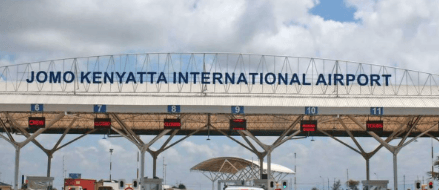
Kenya has moved decisively to make it more expensive, and more precarious, to be a foreign worker inside its borders. Over the past year, Nairobi has combined a steep increase in visa and work permit fees with a strict new enforcement directive that forces foreign employees to leave the country the moment their job ends, a shift that is reshaping how multinational employers, NGOs and regional headquarters plan for staff in East Africa's largest economy.
What Changed
In a gazette notice published on 7 November, Kenya's government announced sweeping increases across nearly its entire schedule of visa and work permit charges. A multiple-entry e-visa, previously $100, now costs $500. A single-entry e-visa has doubled from $50 to $100. Business visas have surged twentyfold, from $50 to $1,000. The most consequential change lands on Class D work permits, the general employment category used by the bulk of foreign professionals, where issuance fees for a two-year permit have risen to as much as one million Kenyan shillings, roughly $6,500.
Then, in December 2025, Kenya's Department of Immigration Services quietly issued an internal directive, not published in the Gazette, instructing officers to strictly enforce an older but loosely applied provision of the Kenya Citizenship and Immigration Act. Under the directive, any foreign national whose employment ends, whether through termination, resignation or a change of employer, must have their work permit cancelled within 15 days and must then physically exit the country. Continuing to work for a different employer, or in any capacity beyond the one specified on the original permit, is now being treated as a clear violation rather than a grey area.
Why It Matters
Kenya has spent the past two years marketing itself as East Africa's digital gateway, replacing its old visa-on-arrival system with an Electronic Travel Authorisation in January 2024 and consolidating work permit and residence applications onto the eFNS portal. That modernisation drive sits uneasily alongside the new cost structure. Employers who once budgeted a few hundred dollars per expatriate hire must now factor in permit costs that rival a mid-level Nairobi salary, on top of the administrative burden of the exit-and-reapply cycle whenever staff move between roles.
For NGOs, regional corporate hubs and diaspora professionals returning with foreign passports, the practical effect is a slower, costlier and less forgiving system. A foreign consultant who switches employers, even within the same group of companies, can no longer simply update paperwork. They must leave Kenyan territory, obtain a fresh permit, and re-enter, a process that can take weeks and strand projects mid-stream.
The Diaspora and Business Angle
Kenyan officials frame the changes as a revenue and sovereignty measure, tightening a system that had, in their view, become too permissive toward long-stay foreign workers occupying roles that could be filled locally. Immigration lawyers advising multinational clients describe a starker read: Kenya is raising the price of doing business with expatriate labour at precisely the moment it is also negotiating to send its own skilled workers abroad under labour mobility deals with countries such as Germany, a contradiction not lost on regional commentators who note that Nairobi is simultaneously exporting labour and taxing the labour it imports.
The Bigger Picture
Kenya's dual approach, tightening the door for foreign workers coming in while opening new corridors for Kenyans going out, reflects a broader pattern across the continent. Governments are increasingly using immigration policy as an active economic lever rather than a passive administrative function, extracting more value from inbound foreign labour while treating outbound labour mobility as a diplomatic and remittance asset. Employers operating in Kenya should expect further tightening, not relaxation, and should budget accordingly for both cost and lead time on any foreign hire.
Related Reading
- Ground View News: "Kenya Signs Labour Mobility Pact With Germany, Eyes 200,000 Jobs for Young Kenyans" (companion piece, this series)
- Ground View News: South Africa's Immigration White Paper coverage (this series)
Sources
- Newland Chase, "Kenya Enforces Work Permit Cancellation and Country Exit before Change of Employer," 16 January 2026. https://newlandchase.com/kenya-enforces-work-permit-cancellation-and-country-exit-prior-to-change-of-employer/
- Newland Chase, "KENYA – Visa and Work Permit Fees Increased," 2025 (fee schedule referencing 7 November Gazette notice). https://newlandchase.com/kenya-visa-and-work-permit-fees-increased/
- Huduma Global, "Immigration to Kenya: Work Permits, Special Passes, and Foreign Worker Regulations Explained," updated for 2025-2026. https://hudumaglobal.com/blog/immigration-kenya-work-permits-special-passes-foreign-worker-regulations-explained
- Mutea Muthuri & Associates, "Work Permits and Immigration in Kenya: Complete Guide," 2026. https://muteamuthuriadvocates.com/blog/work-permits-immigration-kenya
By Chrispen Nkosi, The Editor, Continental View | Ground View News
Shared 0 times
Editorial note: This article represents the opinion and analysis of the author and does not constitute verified fact. Ground View News strives for accuracy and publishes corrections when errors are identified. View our editorial policy · Editorial disclaimer
Related Articles

The UK's New Ten-Year Route to Settlement
What It Means for African Migrants

Zambia 2026: A Nation Approaching Elections With $6.5 Billion in Reserves and a Widening Political Divide
The $6.5 billion reserves figure has become the defining economic flashpoint of Zambia's pre-election political argument.