South Africa at the Edge: Anti-Migrant Ultimatum Tests Ramaphosa's Authority and the Nation's Soul
The government's message has been unambiguous
Chrispen Nkosi, The Editor | Ground View News
28 June 2026
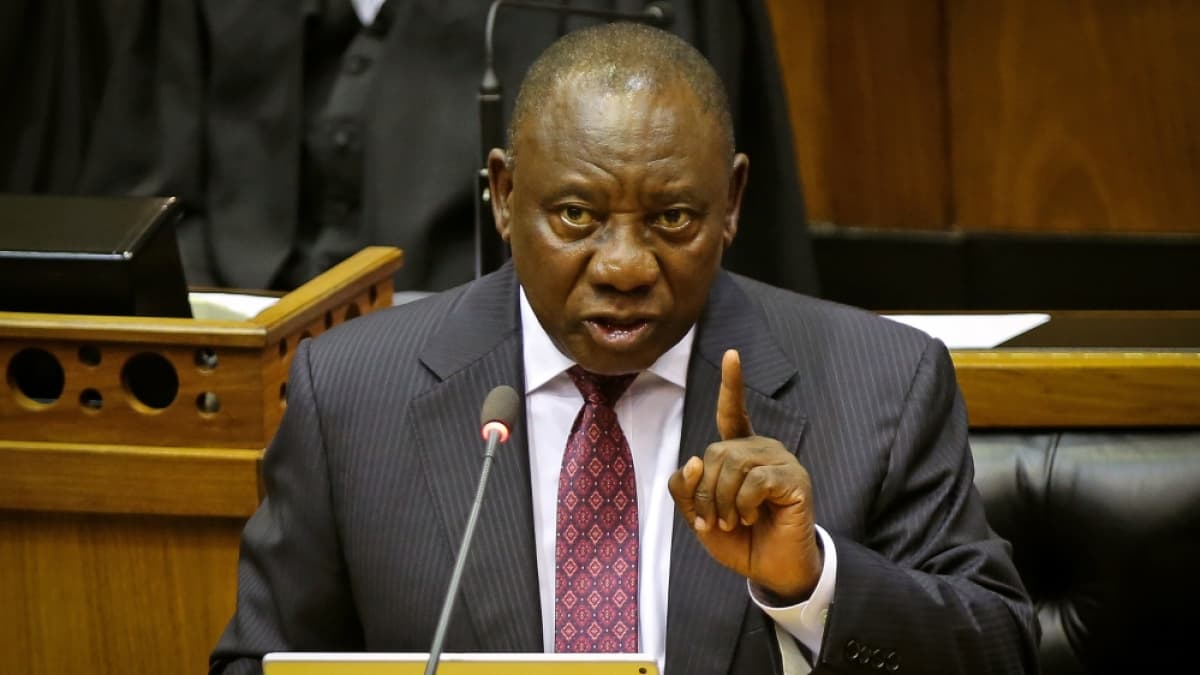
South Africa enters Monday, 30 June 2026, on high alert. Anti-migrant protest groups have set that date as a deadline for undocumented foreign nationals to leave the country, a demand with no legal basis, but with the potential to unleash violence in a nation already bruised by weeks of xenophobic attacks.
The government's message has been unambiguous. Justice and Constitutional Development Minister Mmamaloko Kubayi declared on Friday that June 30 will be "a normal day", not a shutdown, not a day of lawlessness. Law enforcement agencies have been placed on heightened alert across the country.
What Has Happened and Why It Matters
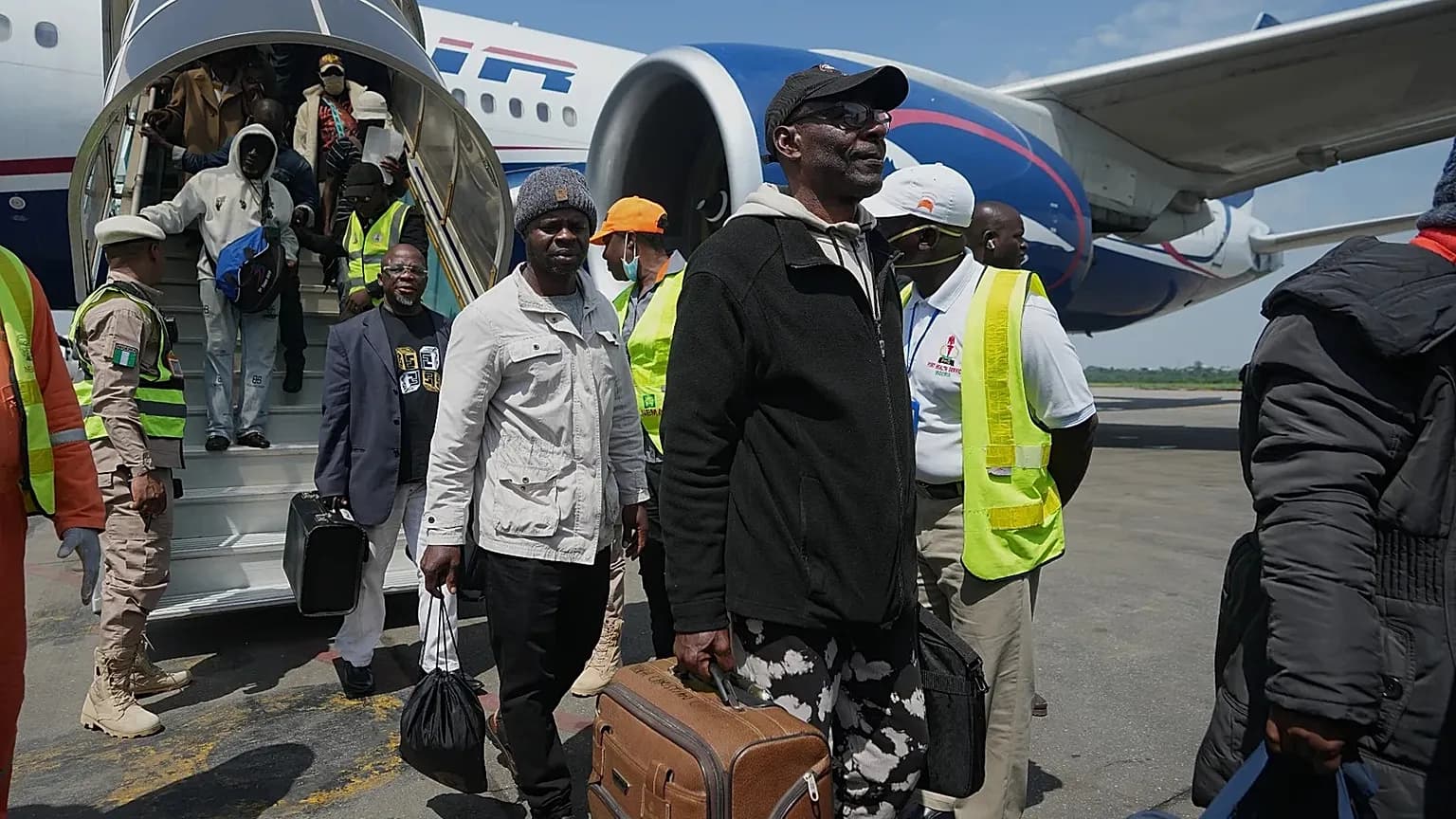
Over recent weeks, South Africa has witnessed a disturbing escalation of anti-foreigner violence. At least two people have been killed. Thousands of African nationals from Malawi, Ghana, Mozambique, Nigeria, and Zimbabwe have been repatriated by their home countries, some after their residences were attacked and set on fire. In parts of Durban, foreign nationals fled their homes entirely.
The protest groups at the centre of this crisis, most prominently "March and March", have demanded stricter border controls, mass deportation of undocumented migrants, and an increase in immigration enforcement officers. They have framed their campaign as targeting only illegal migrants, not xenophobia. But the violence on the ground has told a different story. In KwaZulu-Natal and Gauteng, attacks have been indiscriminate, targeting immigrants based on perceived nationality or appearance.
Acting Police Minister Firoz Cachalia confirmed that the South African Police Service was operationally prepared, having received national and provincial briefings on deployment plans. "There has been mobilisation around this issue over a period of time," he said, "and we expect it to continue after June 30, so we have plans in place."
The Structural Context
South Africa's unemployment rate sits above 30 percent among the highest in the world. GDP growth has averaged less than 1 per cent annually over the past decade. In that environment, frustration runs deep, and politicians have found migrants to be a convenient focal point.
Parties including the Patriotic Alliance, ActionSA, and uMkhonto we Sizwe have increasingly framed migrants as competitors for jobs and public services. The Daily Maverick published data showing that migrants represent fewer than four million of the country's 63 million people, a figure that puts the scale of the issue in context. But in communities where youth unemployment is structural, and services are failing, data rarely defeats fear.
The Nelson Mandela Foundation issued a statement calling for "renewed commitment to social cohesion, constitutional democracy and the rule of law." The Consortium for Refugees and Migrants in South Africa described the crisis as a product of wider social frustration being channelled into vigilantism.
Ramaphosa's Position
President Cyril Ramaphosa addressed the crisis on 7 June, detailing new immigration controls and condemning vigilante violence. But critics argue his response has been slow and insufficient, particularly given the pattern of similar outbreaks in 2008, 2015, 2016, and 2019, a pattern that repeats without resolution.
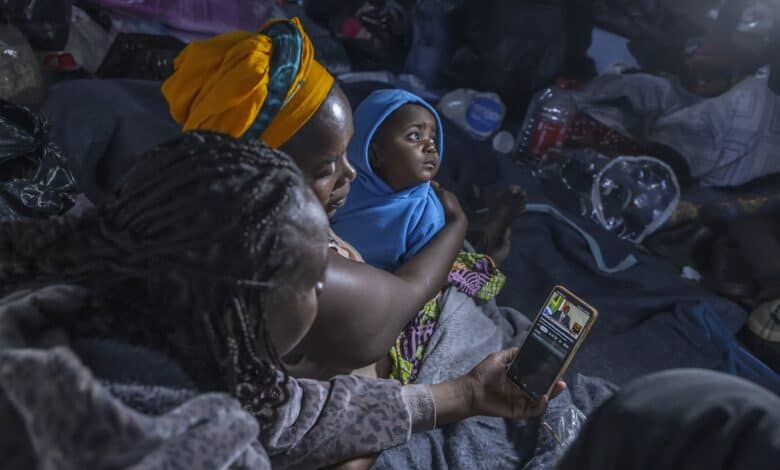
The government's position that June 30 will be a "normal day" is politically necessary. Whether it proves operationally sufficient will depend on what happens in KwaZulu-Natal and Gauteng over the next 48 hours. The Minister's warning was explicit: "Violence, intimidation, vigilantism, xenophobia, hate speech and the spread of misinformation, including fake news on social media, would be prosecuted."
The African Dimension
What makes this crisis notable beyond South Africa's borders is who it affects. The communities targeted are overwhelmingly from elsewhere on the African continent, people from countries that are part of the African Union, some of whom have fled economic collapse or conflict at home.
The repatriation flights sent by Malawi, Ghana, and Nigeria are not just humanitarian responses. They are a signal of how seriously other African governments are watching. For a country that once symbolised liberation and solidarity across the continent, the images of neighbours fleeing fires have caused serious reputational damage.
Bigger Picture
South Africa's xenophobia crisis is inseparable from its economic crisis. Until unemployment, inequality, and failing public services are addressed, migrant communities will remain scapegoats for systemic failures that predate and exceed their presence. The solution is not deportation. It is governance.
References
- Al Jazeera, South African Police Tighten Security as Anti-Migrant Deadline Approaches, 22 June 2026
- BusinessTech, South Africa on High Alert for National Shutdown Next Week, 22 June 2026
- SA News, 30 June Will Be a Normal Day, Not a National Shutdown, 26 June 2026
- Daily Maverick, SAPS on Standby as Anti-Immigrant Marches Spread Ahead of 30 June Deadline, 21 June 2026
- IOL News, The Nelson Mandela Foundation Calls for Renewed Commitment to Social Cohesion, 27 June 2026
- eNCA, Displaced Malawian Nationals Shelter in Pietermaritzburg, 23 June 2026
By Chrispen Nkosi, The Editor | Ground View News
Shared 0 times
Editorial note: This article represents the opinion and analysis of the author and does not constitute verified fact. Ground View News strives for accuracy and publishes corrections when errors are identified. View our editorial policy · Editorial disclaimer
Related Articles
The UK's New Ten-Year Route to Settlement
What It Means for African Migrants
Kenya Tightens the Screws on Foreign Workers as Visa and Work Permit Fees Triple
Business visas have surged twentyfold, from $50 to $1,000.

Zambia 2026: A Nation Approaching Elections With $6.5 Billion in Reserves and a Widening Political Divide
The $6.5 billion reserves figure has become the defining economic flashpoint of Zambia's pre-election political argument.