The UK's New Ten-Year Route to Settlement
What It Means for African Migrants
Chrispen Nkosi, The Editor, Continental View | Ground View News
5 September 2026
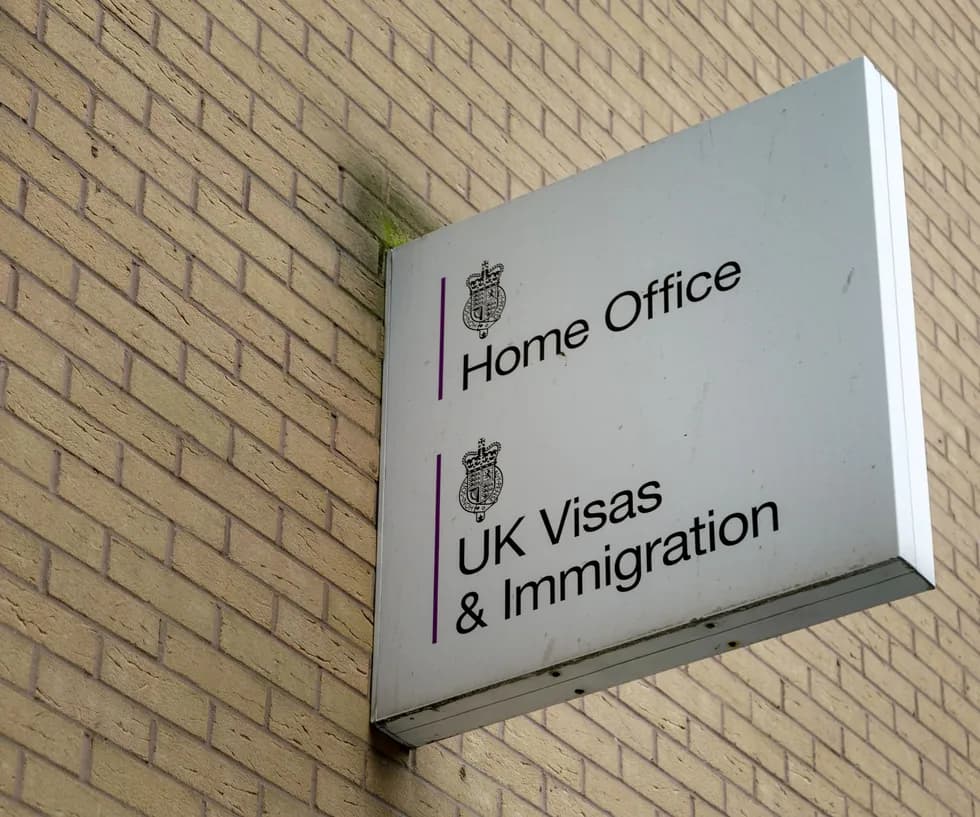
Britain has spent the past year systematically raising the cost, the skill bar and the waiting time attached to working and settling in the country, a sustained tightening that is landing hardest on precisely the African professionals, from Nigerian software engineers to Zimbabwean and Kenyan nurses, who make up a substantial share of the UK's skilled migrant workforce.
The Core Change: A Longer Road to Settlement
In November 2025, Home Secretary Shabana Mahmood published "A Fairer Pathway to Settlement," a consultation proposing to extend the standard qualifying period for Indefinite Leave to Remain, the UK's settlement status, from five years to a new baseline of ten years for Skilled Worker visa holders and their dependants, alongside similar categories such as UK Ancestry and Scale-up Worker visas. The consultation, which closed on 12 February, floated the possibility that the extended timeline could be reduced in some circumstances, or increased further for those in lower-skilled roles, with one proposal suggesting a fifteen-year qualifying period for anyone working below RQF Level 6, the equivalent of a bachelor's degree.
Perhaps most contentious for those already in the system, the government has signalled these changes could apply retroactively to migrants currently on a work visa and already partway through the previous five-year pathway, a prospect that immigration lawyers say has caused significant anxiety among long-settled sponsored workers who had structured their financial and family planning around the shorter timeline.
The Wider 2026 Tightening
The settlement changes sit within a broader sequence of restrictions rolled out through 2025 and 2026. From 22 July 2025, the general Skilled Worker visa salary threshold rose to £41,700 a year, up from £38,700, alongside a formal increase in the required skill level to RQF Level 6. On the same date, overseas recruitment for social care workers ended entirely, closing the route that had, until then, been one of the more accessible paths into UK employment for African care workers, including many Zimbabweans. The Immigration Skills Charge, a levy employers pay per sponsored worker, rose by 32 per cent from 16 December 2025. From 8 January this year, new applicants for Skilled Worker, Scale-up and High Potential Individual visas have needed to demonstrate English at B2 level, a meaningfully higher bar than the previous B1 standard, with immigration advisers noting that candidates who are technically strong but weaker in written English, a description that fits a portion of the African IT and engineering talent pool the route was designed to attract, may now fail purely on the language component.
Taken together, immigration consultancies estimate the salary threshold increase alone adds between £18,000 and £35,000 a year in employer cost per sponsored worker, before accounting for the higher skills charge, sponsor licence fees or the Immigration Health Surcharge, a cost structure that inevitably narrows the pool of employers willing to sponsor overseas hires in the first place.
Why It Matters for African Diaspora Communities
The UK remains one of the top three destination countries for skilled migrants from Nigeria, Zimbabwe, Ghana and Kenya, and the combined effect of these changes is to raise the entry bar substantially while simultaneously extending how long successful entrants must wait before they can call their status secure. For families who arrived under the previous rules expecting a five-year path to permanent status, the prospect of a retroactively applied ten-year timeline represents a fundamental change to the terms they arrived under, not merely a new rule for future applicants.
The care worker route closure has a particularly direct bearing on Zimbabwean migration patterns, given the country's outsized share of UK health and social care visa holders in recent years, a link this publication has covered in detail in a companion piece on Zimbabwe's health worker exodus.
The Bigger Picture
Britain's approach reflects a broader political calculation, common across several Western democracies, that visible immigration restriction carries more domestic political value than the economic cost of losing skilled migrant labour. For African professionals and their employers, the practical consequence is a UK immigration system that is simultaneously more expensive to use, harder to qualify for, and less certain to deliver the permanent settlement outcome that made the initial move worthwhile in the first place.
Related Reading
- Ground View News: "Zimbabwe's Nurses and Doctors Keep Leaving for Britain, and the UK Has Just Made the Door Narrower" (companion piece, this series)
- Ground View News: "1.34 Million Refusals: What the UK's Visa Data Reveals About How Africa Is Treated" (this series)
Sources
- House of Commons Library, "Changes to UK visa and settlement rules after the 2025 immigration white paper," 8 July 2026. https://commonslibrary.parliament.uk/research-briefings/cbp-10267/
- Osborne Clarke, "UK Immigration White Paper tracker." https://www.osborneclarke.com/uk-immigration-white-paper-tracker
- IAS Services, "Major Changes to Skilled Worker Visas Coming This Month," referencing "A Fairer Pathway to Settlement," November 2025 consultation. https://iasservices.org.uk/major-changes-to-skilled-worker-visas-coming-this-month/
- Centuro Global, "UK Skilled Worker Visa Changes and Immigration Rules for 2026," 29 April 2026. https://www.centuroglobal.com/articles/uk-immigration-2026-changes/
- JPS Immigration, "Skilled Worker Visa Salary Rules 2026," 14 June 2026. https://www.jpsimmigration.com/skilled-worker-visa-2026-new-salary-rules-and-what-they-mean-for-sponsors/
By Chrispen Nkosi, The Editor, Continental View | Ground View News
Shared 0 times
Editorial note: This article represents the opinion and analysis of the author and does not constitute verified fact. Ground View News strives for accuracy and publishes corrections when errors are identified. View our editorial policy · Editorial disclaimer
Related Articles
Kenya Tightens the Screws on Foreign Workers as Visa and Work Permit Fees Triple
Business visas have surged twentyfold, from $50 to $1,000.

Zambia 2026: A Nation Approaching Elections With $6.5 Billion in Reserves and a Widening Political Divide
The $6.5 billion reserves figure has become the defining economic flashpoint of Zambia's pre-election political argument.