Zimbabwe Is Flying Home: Air Zimbabwe Returns to London After 14 Years...
... And Here Is Why Every Zimbabwean Should Be on That Plane
Chrispen Nkosi, The Editor, Continental View | Ground View News
10 July 2026
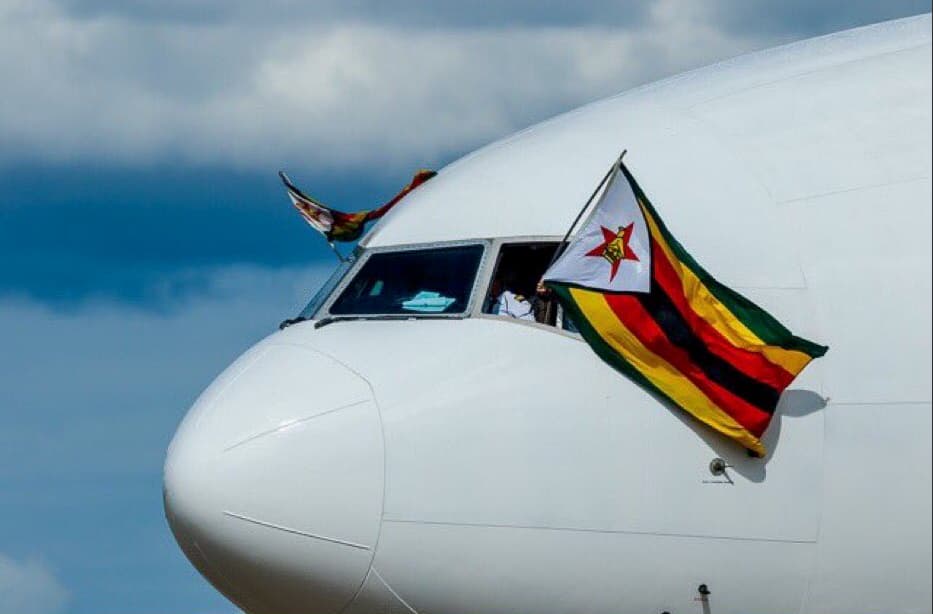
On 22 July 2026, something remarkable will happen at Robert Gabriel Mugabe International Airport in Harare. An Airbus A330-300 widebody jet will push back from the gate, taxi to the runway, and lift off bound for London Gatwick. It will be the first Air Zimbabwe aircraft to depart for the United Kingdom in over fourteen years.
Buy your tickets now https://www.airzimbabwe.aero/.
For the approximately 130,000 Zimbabweans living in the United Kingdom and for the hundreds of thousands more who have spent those fourteen years routing through Dubai, Doha, Nairobi, Addis Ababa, or Johannesburg just to reach home, this is not just another airline announcement. It is the restoration of a connection that should never have been broken, and the beginning of what could be one of the most important chapters in Zimbabwe's aviation and economic history.
This article is a guide, a call to action, and a piece of good news all at once. Read it. Then book your ticket.
What Is Happening and When
Air Zimbabwe confirmed on 9 July 2026 that it will resume three-times-weekly direct services between Harare and London Gatwick from 22 July 2026.
The schedule is as follows:
Harare to London Gatwick (Flight UM724) Departures from Harare on Sundays, Wednesdays, and Fridays. Estimated departure times: approximately 22:30 (Sunday), 22:40 (Wednesday), 23:00 (Friday). Arrival at London Gatwick the following morning.
London Gatwick to Harare (Flight UM725) Departures from Gatwick on Mondays, Thursdays, and Saturdays. At London Gatwick Airport, Air Zimbabwe will operate from the South Terminal.
The flight time between Harare and London is approximately ten hours on a direct service. For those who have been transiting through connecting hubs, this represents a saving of between six and fourteen hours per journey, depending on the route previously used.
The Aircraft: What to Expect on Board
The service will be operated using an Airbus A330-300 under an ACMI wet-lease agreement with Spanish carrier Plus Ultra Líneas Aéreas. Although Plus Ultra provides the aircraft, crew, maintenance and insurance, the flights operate under Air Zimbabwe's own flight code (UM).
The Airbus A330-300 is a proven, capable, wide-body long-haul aircraft. It first entered service in 1994 and has operated on intercontinental routes worldwide for over three decades. With a typical range of approximately 11,750 kilometres, it is well-suited to the Harare–London sector, which covers roughly 8,900 kilometres. The aircraft carries two engines (General Electric CF6 series) and delivers a quiet, comfortable ride compared to earlier-generation long-haul jets.
What the cabin looks like:
Plus Ultra's A330-300 configuration seats 302 passengers across two classes.
Business Class accommodates 30 passengers in a classic six-abreast recliner layout. Seats achieve an angled flat position for sleeping, suitable for the overnight sector from London and the evening departure from Harare. Business class passengers have access to two dedicated lavatories. In-flight entertainment is provided via a streaming service accessible through personal devices, with power outlets available at every seat.
Economy Class accommodates 272 passengers in a standard eight-abreast layout. Seat pitch ranges from 30 to 34 inches depending on the row, with exit row seats offering noticeably more legroom. USB charging ports are located under the seats in front. Entertainment is available through the same streaming service to personal devices.
The cabin crew supplied by Plus Ultra are experienced long-haul operators. The airline has operated wet-lease ACMI arrangements on behalf of various carriers across Africa and Latin America, and its crews are accustomed to serving diverse passenger profiles on extended international sectors.
Baggage: Standard Air Zimbabwe allowances apply. For long-haul international sectors, economy passengers should confirm the applicable checked baggage allowance directly with Air Zimbabwe at airzimbabwe.aero before travel.
How to Book and What It Will Cost
This is the part that matters most for anyone ready to travel.
Fares: According to Newsday Zimbabwe, tickets are priced at US$495 one way and US$900 return. These represent genuinely competitive fares for a direct service on this sector. By comparison, indirect routes through Middle Eastern or African hubs frequently produce return fares in the range of £700 to £900 or more, depending on routing, season, and advance booking and those fares come with the added cost of layover time, potential missed connections, and the physical toll of 16-to-24-hour journeys.
A direct flight at US$900 return is not expensive. It is accessible.
Where to book:
The primary booking channel is Air Zimbabwe's own website: www.airzimbabwe.aero
Tickets can also be purchased through authorised Air Zimbabwe travel agents. If you are based in the United Kingdom and prefer to book through a local agent who specialises in Zimbabwe travel, contact them directly and ask for Air Zimbabwe flight code UM on the Harare–London Gatwick route.
For fare comparison and schedule checking, Skyscanner (www.skyscanner.net) lists Harare-to-London Gatwick routes, though it is worth noting that at the time of writing some aggregators may not yet be fully displaying the Air Zimbabwe direct option. If you do not see it on an aggregator, go directly to airzimbabwe.aero to confirm availability and pricing.
Air Zimbabwe also offers a Rainbow Club Frequent Flyer Programme, which rewards regular passengers with free travel awards, excess baggage allowance, lounge access and express check-in. If you intend to travel multiple times, registering for Rainbow Club before booking your first ticket is worth doing.
How This Route Came Back: The Chapman Freeborn Partnership
The restoration of the Harare–London service did not happen through a sudden acquisition of new aircraft or a fresh injection of capital into Air Zimbabwe's own fleet. It happened because of a smart, practical, modern aviation arrangement brokered by Chapman Freeborn, one of the world's leading aviation charter and leasing specialists.
Chapman Freeborn, which forms part of Avia Solutions Group, arranged a long-term ACMI partnership between Air Zimbabwe and Ultra. Under this structure, Plus Ultra supplies the aircraft, the crew, maintenance coverage, and insurance. Air Zimbabwe retains its commercial identity and flight codes, handles ticketing and sales, and carries passengers under its own brand. The arrangement gives Air Zimbabwe immediate access to long-haul capacity without waiting for new aircraft deliveries or completing the extended regulatory process required to operate UK and EU-registered aircraft under its own Air Operator Certificate.
Linas Dovydenas, President for the IMEA region at Chapman Freeborn, described it as an important step toward restoring direct connectivity between Zimbabwe and the United Kingdom. Daniel Huggins, Director of ACMI and Leasing at Chapman Freeborn, noted that long-haul ACMI programmes require extensive coordination between airlines, aircraft operators, regulators and commercial partners and that the project demonstrates what collaborative aviation partnerships can achieve.
This model is used by airlines across Africa and globally. It is not unusual, and it works. The same structural approach has been applied by carriers rebuilding their international networks after periods of financial difficulty or fleet transition.
What matters for travellers is not the contractual architecture. What matters is that the flight exists, departs on schedule, and gets you home safely. The A330-300 is a safe, modern widebody. Plus Ultra is a certificated Spanish carrier operating under European aviation safety standards. And Air Zimbabwe is back in the room.
What Was Lost in 2012 and What Is Being Rebuilt
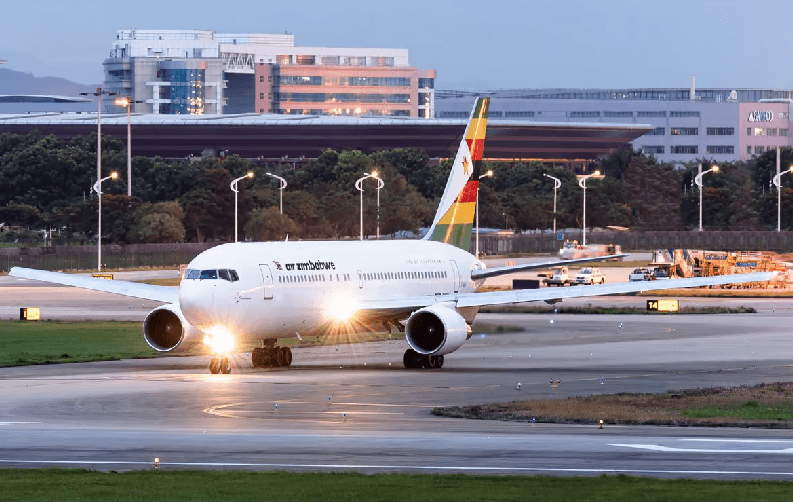
Air Zimbabwe last served London in early 2012. The circumstances of that departure were painful. In December 2011, one of Air Zimbabwe's Boeing 767-200 aircraft was impounded at Gatwick Airport over an unpaid debt, a creditor seizing the national carrier's long-haul jet at the very airport it served. The airline had accumulated debts estimated at $300 million. Its fleet had aged beyond economical operation. The route was suspended. The UK and EU aviation authorities subsequently placed Air Zimbabwe on safety restriction lists, preventing it from operating commercial services into their airspace.
For fourteen years, the Zimbabwe–United Kingdom air corridor was served entirely by third-party carriers. Emirates routed passengers through Dubai. Kenya Airways connected through Nairobi. Ethiopian Airlines offered connections via Addis Ababa. Each of those options added hours, connections, and cost to a journey that should have been direct.
Now, through the ACMI arrangement that meets UK and EU regulatory requirements by using Plus Ultra's certified aircraft and crew, Air Zimbabwe is back in the market. The UK ban on Air Zimbabwe applying to its own aircraft and Air Operator Certificate does not prevent it from wet-leasing compliant aircraft and operating commercially under this structure. It is a legitimate, approved path back into the market and it is the right one for this stage of the carrier's recovery.
The Call to Zimbabweans: Support This Route
This section is addressed directly to every Zimbabwean in the United Kingdom, every Zimbabwean at home planning to travel, and every friend and family member of Zimbabwe who reads this.
Book a ticket on Air Zimbabwe. Do it now, or at minimum, prioritise it.
There is a hard commercial reality behind every airline route: if flights do not fill, routes close. It is as simple as that. The diaspora pressure on connectivity built for years while Zimbabwe was absent from the market. Now the route is back. Whether it stays back, whether frequencies increase, whether the service extends and improves depends on whether passengers choose to support it.
Some travellers will prefer the miles they accumulate on Emirates or the familiarity of Ethiopian's service. Those are reasonable choices. But for anyone who has ever expressed frustration about the length of the journey home, the cost of indirect tickets, or the indignity of Zimbabwe not having a direct connection to one of the world's most important cities, this is the moment to put your money behind the solution.
The argument is not purely emotional. The commercial case is also sound. At US$900 return, the direct Air Zimbabwe fare is competitive with, and in many cases cheaper than, indirect alternatives when the full cost of layovers, connection accommodation, and lost time is factored in. A ten-hour direct flight is categorically a better travel experience than sixteen to twenty-four hours of transit.
Beyond the personal convenience, every passenger on that aircraft is contributing to Zimbabwe's aviation recovery. A route that performs commercially gives Air Zimbabwe the revenue base to invest in service improvements, negotiate better terms on future aircraft, and make the case to regulators and partners that Zimbabwe is a viable long-haul market.
When the route performs, frequencies increase. When frequencies increase, fares become more competitive. When fares become more competitive, more Zimbabweans fly. This is the virtuous cycle that starts with enough people choosing to book.
Zimbabwe's diaspora in the United Kingdom includes doctors, engineers, educators, entrepreneurs, and community leaders who have maintained deep ties to home. Many of them send remittances, fund family needs, and return whenever they can afford the time and cost. This route serves all of them more directly, more cheaply, and more efficiently than any alternative on the market. It should be their first choice.
What This Means for Zimbabwe Beyond Tourism
The significance of the Harare–London Gatwick route extends well beyond holiday travel and diaspora visits home.
Direct air connectivity is a commercial infrastructure asset. Zimbabwe's growing mining, agriculture, and tourism sectors depend on relationships with UK investors, buyers, and partners. Direct flights reduce the friction cost of those relationships. A London investor considering a Harare trip who previously faced sixteen-plus hours of travel is now looking at a ten-hour overnight flight with a morning arrival far more manageable.
The restored service also creates direct cargo capacity for Zimbabwean exporters. The A330-300's lower hold provides space for freight that was previously forced onto indirect routings. Horticultural exports fresh flowers, vegetables, and produce benefit particularly from shorter transit times, which protect quality and extend shelf life on arrival in British markets. Zimbabwe's agricultural sector has been building its export capacity; this route supports that directly.
Tourism flows in both directions. British travellers interested in Victoria Falls, Hwange National Park, Great Zimbabwe, or the Eastern Highlands now have a direct and competitive option that did not exist twelve hours ago. The Zimbabwe Tourism Authority and the hospitality sector should be actively promoting this route in the United Kingdom market. The marketing opportunity is significant, and the timing is right.
The Centre for Aviation (CAPA) confirmed Air Zimbabwe's schedule on 9 July 2026, noting the service begins with A330-300 equipment under the ACMI contract with Plus Ultra. AeroRoutes published the confirmed timetable data the same day. Multiple aviation trade sources have characterised the route as a genuine milestone for Southern African air connectivity.
Practical Checklist for Travellers
Before you travel, here are the things to confirm:
Booking: Visit www.airzimbabwe.aero or contact an authorised Air Zimbabwe travel agent. Confirm your fare class, baggage allowance, and check-in requirements at the time of booking.
Documents: UK–Zimbabwe travel requires a valid passport with sufficient validity remaining (most carriers require at least six months beyond your travel date). UK-based Zimbabwean passport holders should ensure travel documents are current. Zimbabwean nationals travelling to the UK must hold the relevant UK visa if required; confirm your visa status before booking.
Check-in: Air Zimbabwe's standard check-in is available at the airport. Phone reconfirmation is also accepted. Arrive at Harare airport with adequate time before departure, particularly on the late evening departures.
London Gatwick: The South Terminal at London Gatwick is well-connected to central London via the Gatwick Express rail service (approximately 30 minutes to London Bridge and London Victoria), as well as by regular Thameslink services, National Express coaches, and taxis. The terminal has full facilities including lounges, restaurants, and currency exchange.
Baggage: For international long-haul travel, confirm checked luggage allowances with Air Zimbabwe directly. Different routes carry different allowances, and it is always better to verify before arrival at check-in.
Rainbow Club: Register at airzimbabwe.aero before your trip to begin accumulating frequent flyer points from your first flight.
Conclusion: This Is Zimbabwe's Moment
Fourteen years is a long time to be absent from the air map between Harare and London. The restoration of this route is not merely a commercial milestone; it is a statement about Zimbabwe's direction.
It says that Zimbabwe's national carrier can compete in the long-haul international market. It says that the country's aviation sector is capable of building the partnerships and deploying the operational structures needed to serve its diaspora and its economy properly. And it says that Harare deserves a direct connection to London not as a privilege, but as a matter of course.
The Airbus A330-300 that departs Harare on 22 July 2026 will carry that message every time it lifts off. The question for every Zimbabwean reading this is straightforward: will you be on it?
Book your ticket. Fly Zimbabwe. Fly home.
Tickets: www.airzimbabwe.aero
The Editor | Continental View, Ground View News Published 10 July 2026
Related Reading
- Air Zimbabwe official website and booking: www.airzimbabwe.aero
- Chapman Freeborn ACMI and leasing services: www.chapmanfreeborn.aero
- Skyscanner Harare–London Gatwick route tracker: www.skyscanner.net
- AeroRoutes confirmed timetable: www.aeroroutes.com
- Centre for Aviation route confirmation: centreforaviation.com
By Chrispen Nkosi, The Editor, Continental View | Ground View News
Shared 0 times
Editorial note: This article represents the opinion and analysis of the author and does not constitute verified fact. Ground View News strives for accuracy and publishes corrections when errors are identified. View our editorial policy · Editorial disclaimer
Related Articles

The Sound of Silence: Why Zimbabwean Musicians Still Don't Know What They're Owed
Is In-Total band the first band in Zimbabwe to cover Zimbabwean music legends? Are they just doing it right so much that it feels wrong?